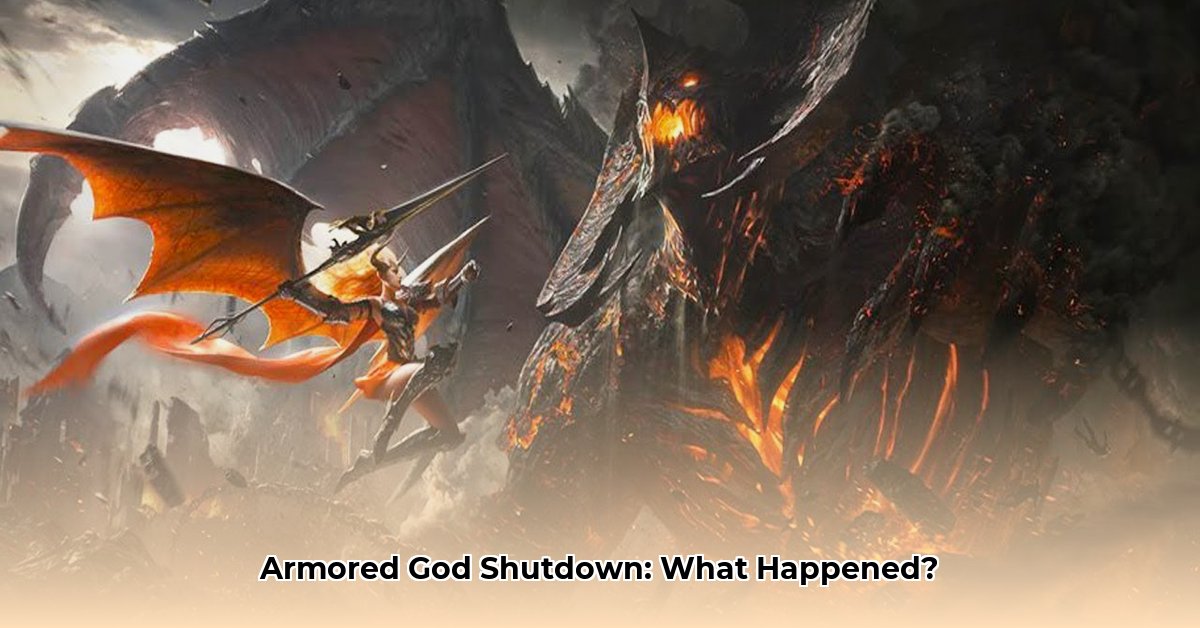
The sudden and unexpected removal of the popular mobile game Armored God from app stores on March 27th, 2023, serves as a cautionary tale for the mobile gaming industry. Its demise, announced via a brief Facebook post citing a concluded contract with its development team, left players disillusioned and industry experts questioning the fragility of the mobile gaming ecosystem. This case study examines the contributing factors to the shutdown, explores its broader implications, and offers actionable insights for developers and publishers seeking to avoid a similar fate. Did the Armored God shutdown represent simply a contractual dispute, or were deeper systemic issues at play?
A Contractual Impasse: The Root of the Problem
The primary cause of the Armored God shutdown appears to be a breakdown in negotiations between the game's publisher and its development team. The specifics surrounding the contract termination remain undisclosed, fueling speculation about whether the split was amicable or resulted from a breach of agreement. This lack of transparency underscores a critical vulnerability within the mobile gaming industry: the susceptibility of projects to collapse due to poorly drafted or inadequately negotiated contracts. How often are backup plans for such scenarios considered by publishers? This incident highlights the urgent need for more robust risk management strategies. Was there a failure of due diligence in the initial contractual agreements?
The Impact on Players: Betrayal and Loss of Trust
The abrupt cessation of Armored God inflicted significant emotional and financial losses on its dedicated player base. Players, having invested considerable time, effort, and often money into the game, felt deeply betrayed by the lack of warning and explanation. This highlights the crucial importance of transparent communication between developers, publishers, and players. Regular updates, open dialogue, and cultivating a strong sense of community can mitigate the impact of unexpected events and foster loyalty amongst a game's audience. What strategies could have prevented the erosion of player trust in this instance?
Unexpected Parallels: Resilience and Spiritual Strength
Interestingly, the Armored God shutdown evokes a parallel with the concept of spiritual resilience. The biblical passage Ephesians 6:10-18 describes "spiritual armor," symbolizing the inner strength required to overcome life's challenges. Though seemingly unrelated, this analogy provides a framework for understanding the players' emotional response to the game's sudden demise. The perceived betrayal and loss could be seen as a test of their emotional fortitude, raising questions about how they coped with this unexpected setback.
Building a More Resilient Gaming Ecosystem: Actionable Steps
The Armored God shutdown provides invaluable lessons for the future of mobile game development and publishing. To mitigate similar risks, the following steps should be implemented:
Robust Contractual Agreements: Thorough legal review of contracts is crucial. Agreements should clearly outline deliverables, responsibilities, and conflict-resolution mechanisms, with a strong focus on contingency planning. This could significantly reduce the likelihood of disputes.
Prioritize Open Communication: Maintaining open and consistent communication with players creates a loyal community that is more resilient to unexpected events. Regular updates, transparent dialogue, and active community engagement build trust and reduce the potential for negative fallout.
Diversify Revenue Streams: Reducing reliance on a single source of income enhances the financial stability of a project. Exploring multiple revenue streams, such as in-app purchases, subscriptions, and merchandise, minimizes vulnerability to the failure of a single agreement.
Foster Player Engagement: Strategies to improve player engagement, such as regular content updates, community events, and player feedback mechanisms, help build a more dedicated fanbase and strengthen the overall health of the game. A more engaged and satisfied player base translates into a greater retention rate.
Mitigating Publisher Risks: A Risk Management Framework
The following table illustrates common risks for game publishers and corresponding mitigation strategies:
| Risk Factor | Likelihood | Impact | Mitigation Strategy |
|---|---|---|---|
| Contract Disputes | High | Severe | Detailed contracts, independent legal review, regular contract audits |
| Development Team Issues | Moderate | Moderate | Clear contracts, performance-based incentives, strong team relationships |
| Market Changes | High | High | Agile development, diverse marketing strategies, market trend analysis |
| Player Loss | Moderate | Moderate | Active community management, engaging content, consistent updates |
The Armored God shutdown serves as a stark reminder of the importance of proactive risk management in the mobile gaming industry. While crafting engaging game mechanics is critical, the business aspects of game development and publishing must be equally well-managed to ensure longevity and avoid critical failures. Further research into the long-term effects of similar shutdowns on player sentiment and the efficacy of various risk mitigation strategies are essential to building a more stable and resilient ecosystem. The full ramifications of this incident may not be immediately apparent, but the imperative for proactive risk management is clear.
⭐⭐⭐⭐☆ (4.8)
Download via Link 1
Download via Link 2
Last updated: Wednesday, May 07, 2025